PHARE Territorios Globales is a Euro–Latin American organization that helps territories connect with the world.
Our team brings together hands-on experience in public administration, international cooperation, and territorial development, with backgrounds in government, international organizations, city networks, and philanthropic organizations. This combination enables us to understand the institutional complexity of each territory and translate it into viable, actionable, and results-oriented international strategies.
We draw on a network of experts, institutions, and strategic partners that expands our capacity to act and enables us to support territorial development processes across diverse contexts.
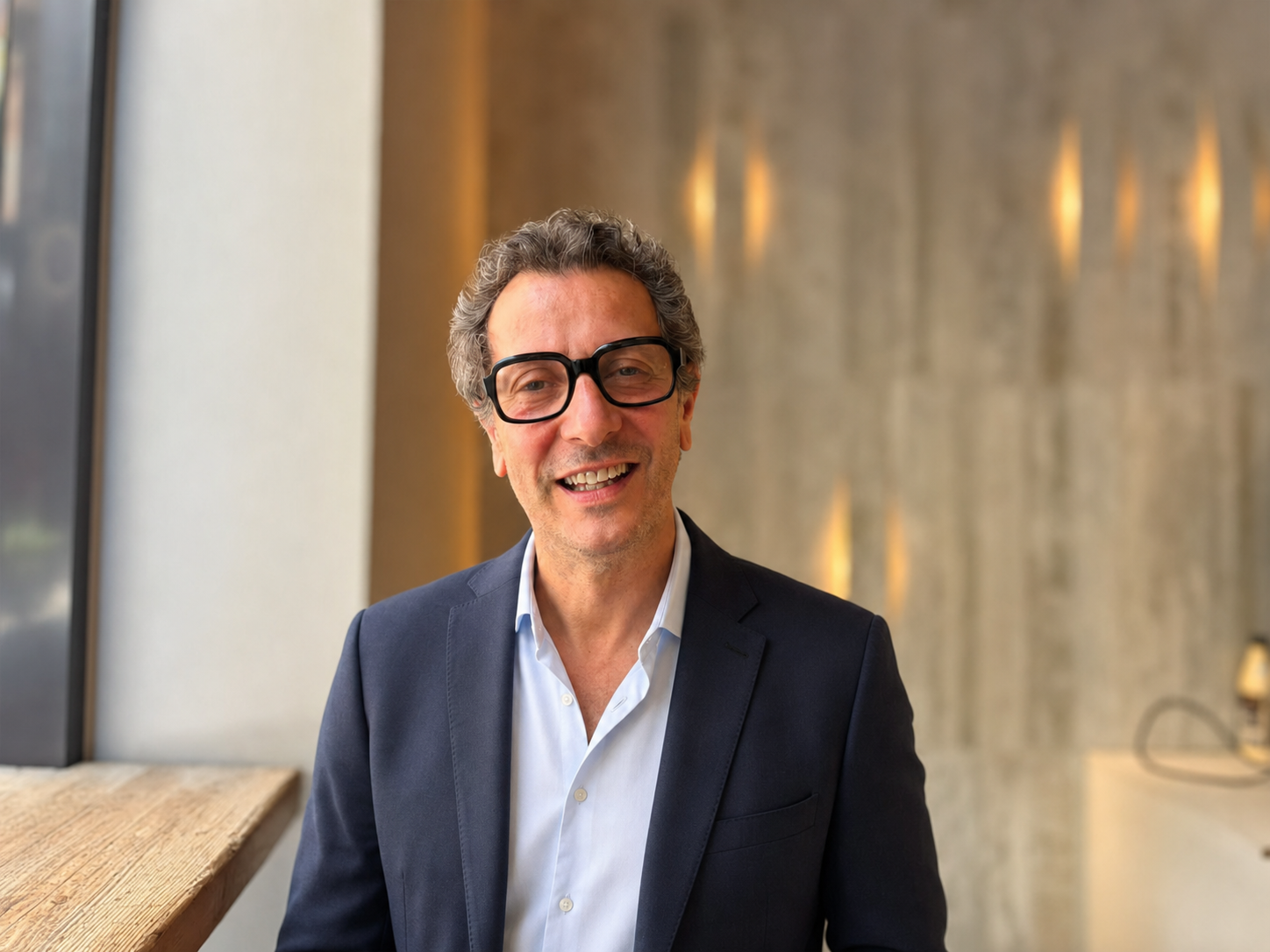
Felipe Llamas Sánchez

Eugene D. Zapata Garesché

Rodrigo de Oliveira Perpetuo

Paola Andrea Arjona Caycedo
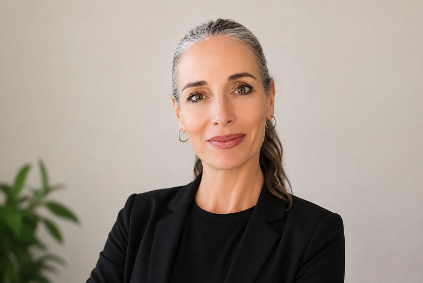
Beatriz Sanz Corella
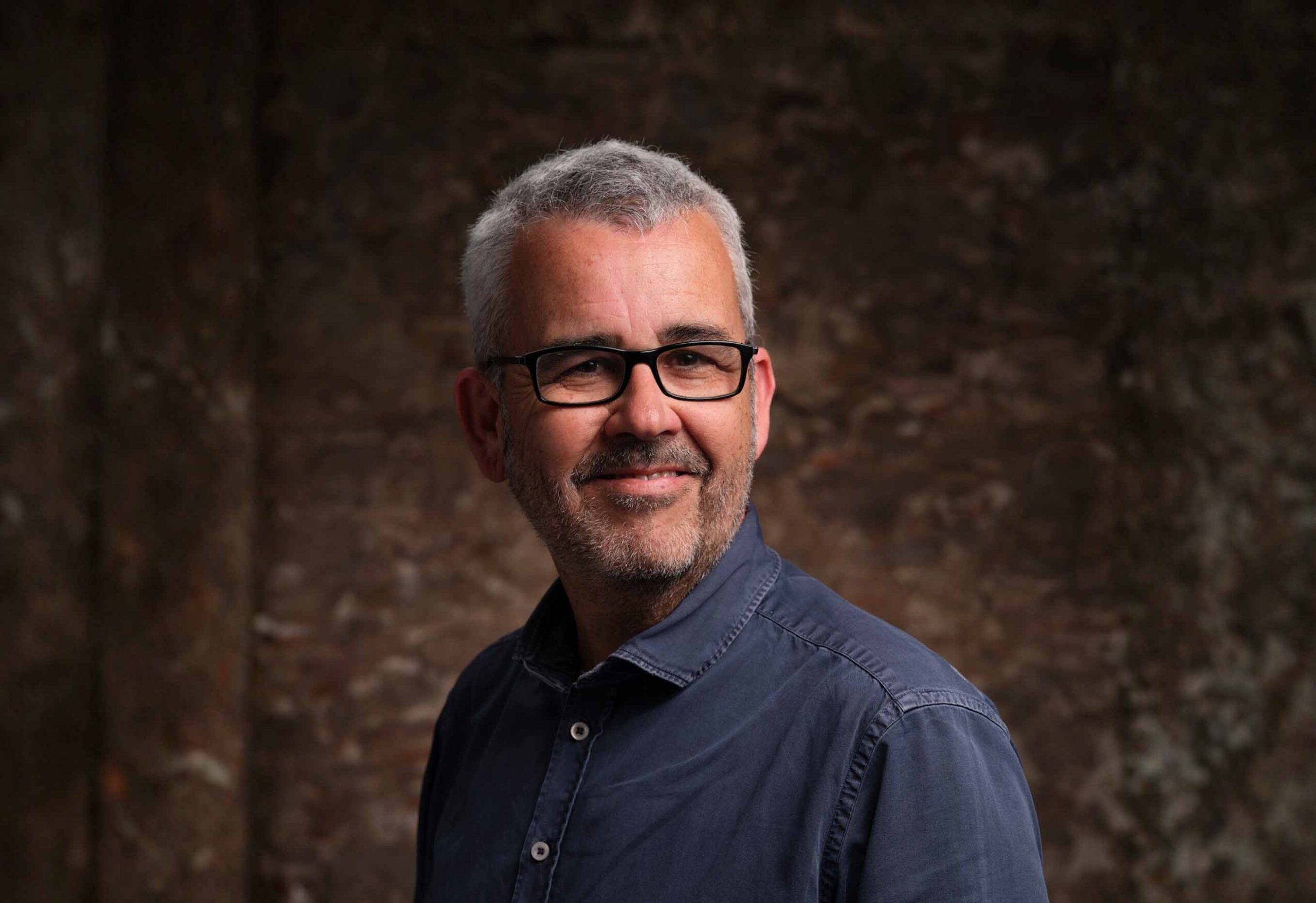
Agustí Fernández de Losada
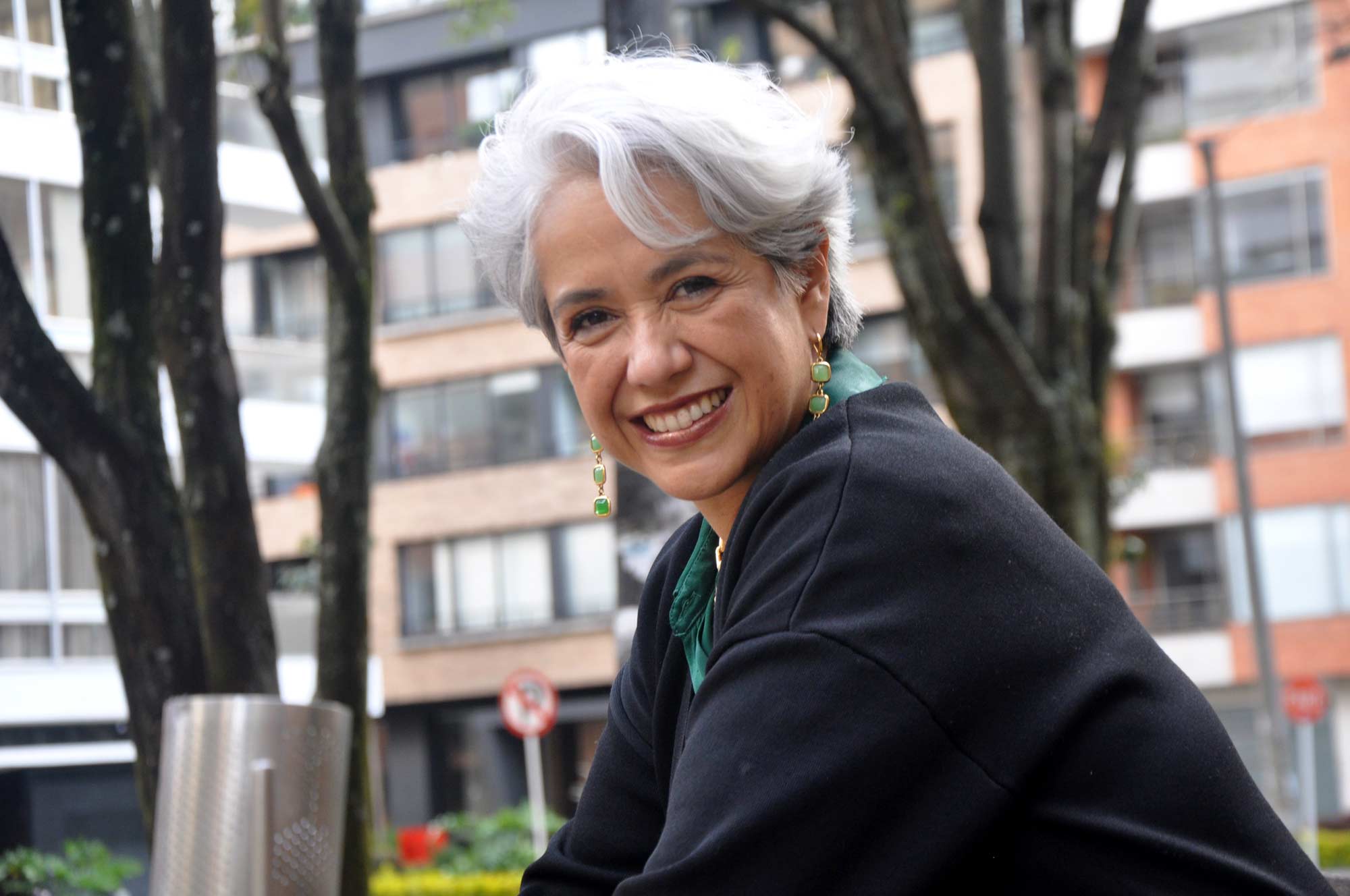
Luz Amparo Medina Gerena
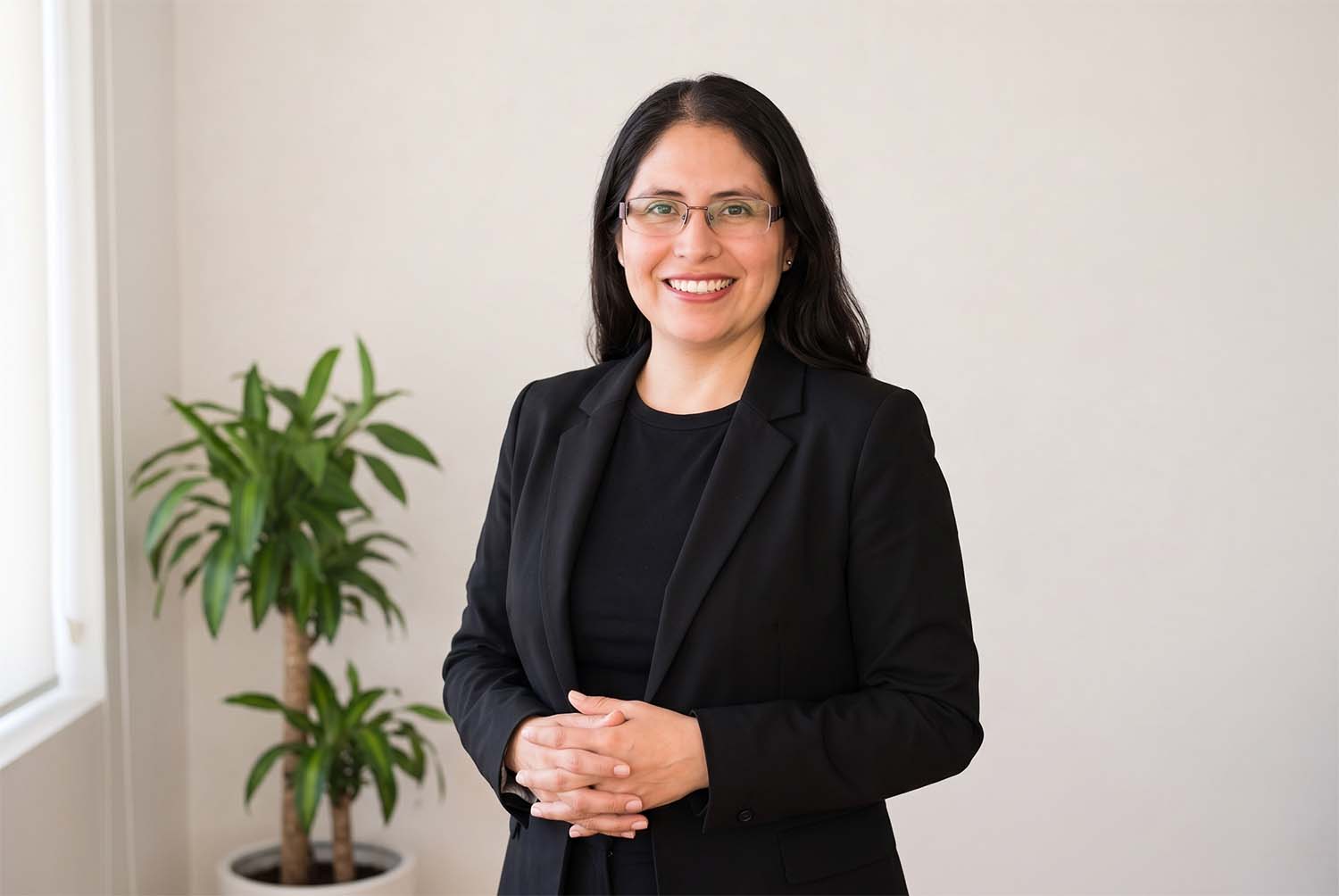
Montserrat Iglesias Servin
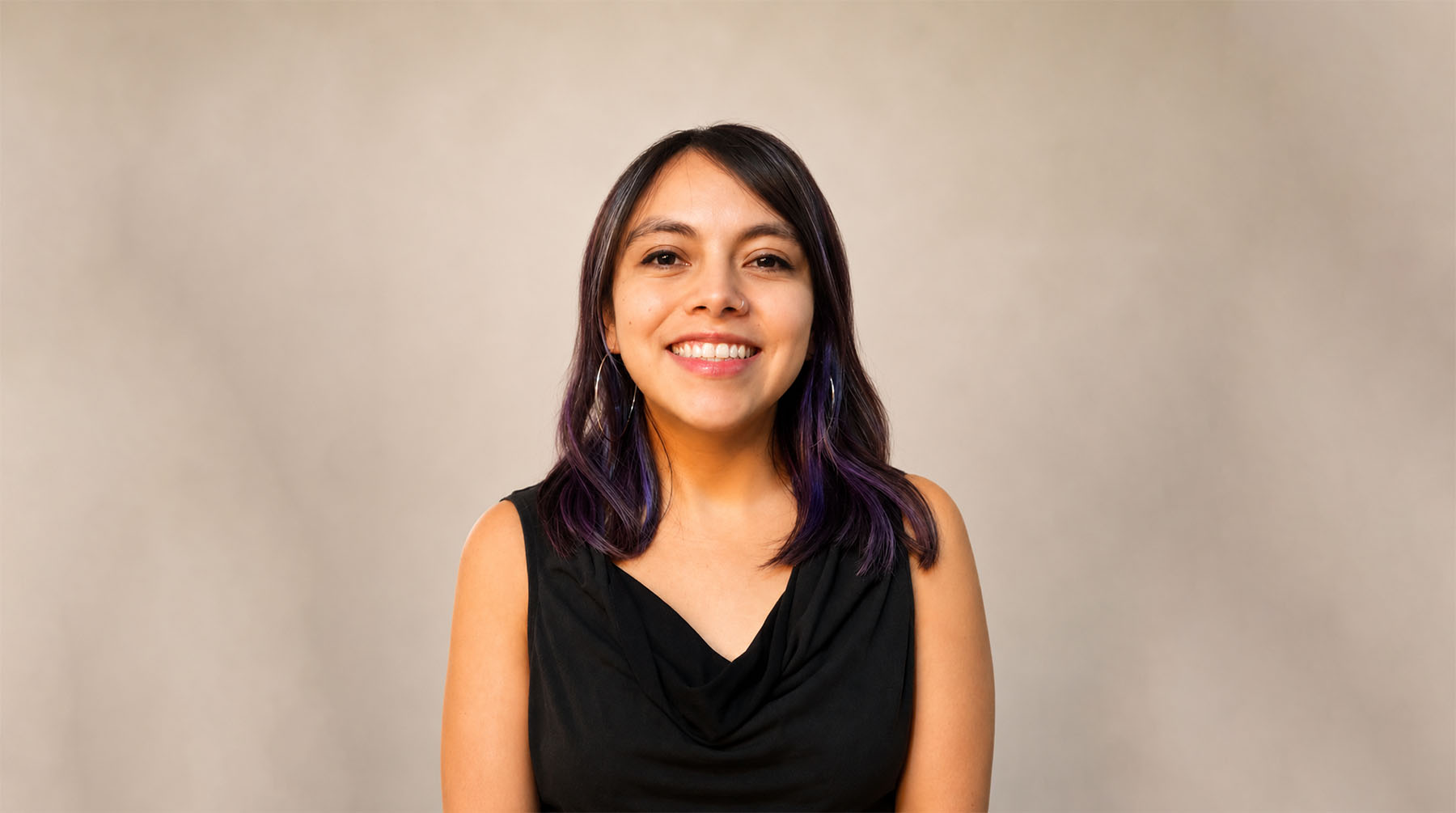
Ana Itzel Hernández Ramírez

Lina Gast Matiz

Gabriela Carrera Scotton
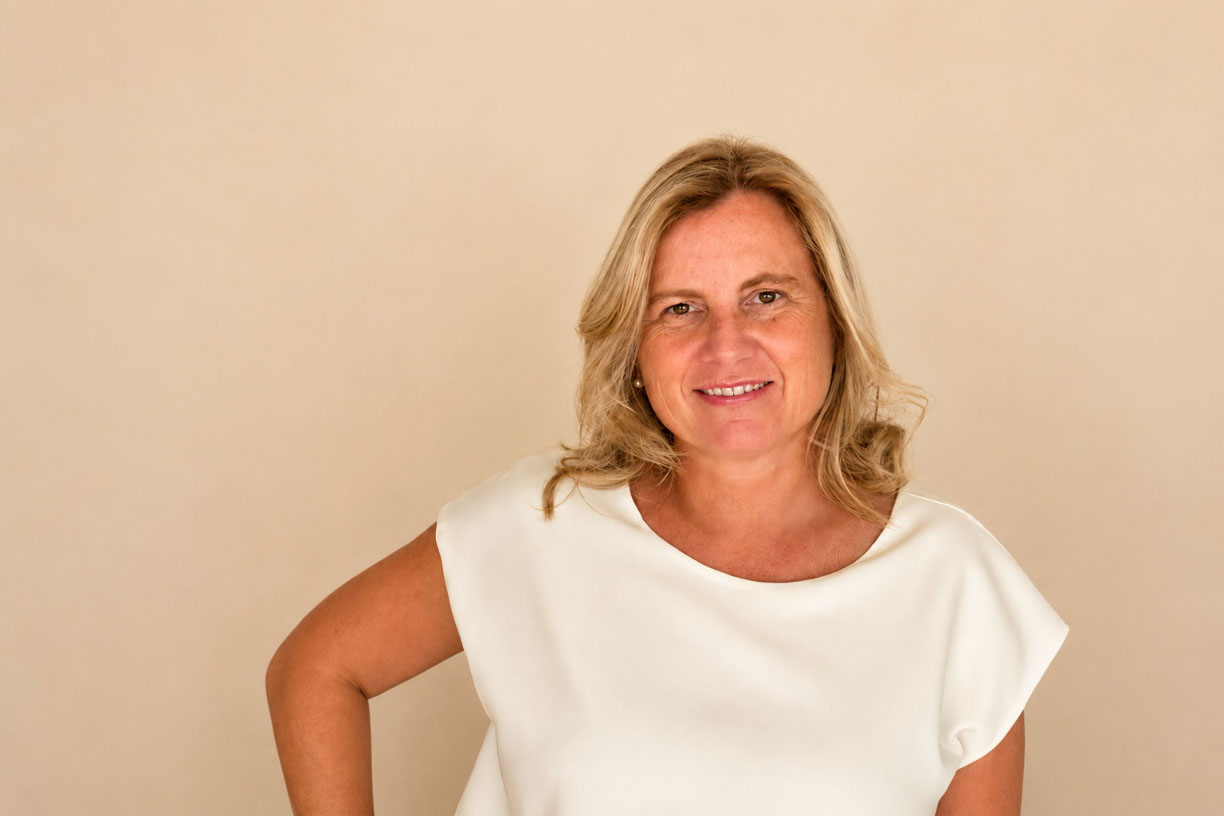
Professionals who lead the design and strategic direction of PHARE’s projects.
Team members responsible for supporting PHARE’s internal management, coordination, and day-to-day operations.
Professionals who are temporarily not active at PHARE to avoid potential conflicts of interest with their current professional responsibilities.
We live in an increasingly interconnected world in which cities are playing a more prominent role every day. This is why municipalities’ international engagement must be an integral and indispensable part of local policy. We cannot govern a city or territory without looking beyond our borders, because we know that we face shared challenges which, although they may take different forms, have the same underlying causes. The COVID-19 pandemic is a clear example of this. No territory is immune to climate change, energy consumption, precarious employment, inequality, and—least of all—migration, an area in which cities are raising some of the strongest voices for solidarity.
When it comes to the major issues of our time, cities are simultaneously the setting, the arena, and the driving force behind some of the finest examples of solidarity, creativity, and innovation. In recent years, internationalization has become both a necessity and an opportunity for local governments. Whether it is to enhance their capabilities, strengthen public policies, raise a city’s profile, attract investment and talent, or increase participation and influence in global forums and agendas, this trend is spreading rapidly across regions worldwide.
I would therefore like to congratulate and express my support for PHARE Territorios Globales, an association created with the clear and essential purpose of driving the internationalization of cities and territories. Its work is underpinned by the political, institutional, practical, and academic experience of the people who make up this new association. I wish you every success.
Manuela Carmena
Mayor of Madrid (2015–2019)
Cities’ international relations are becoming increasingly important, and local governments must build professional capacity to pursue them strategically and with a long-term vision. I welcome the creation of PHARE and its team of experts dedicated to advancing this field, which will be crucial to the urban future.
Cuauhtémoc Cárdenas
Head of Government of Mexico City (1997–1999)
I would like to congratulate the team behind PHARE Territorios Globales. We need experts like them to raise awareness, share knowledge, and advocate for policies that support a shift in the urban paradigm, while generating new knowledge and advancing the internationalization of cities.
Many of the commitments set out in the New Urban Agenda are connected to the Sustainable Development Goals, adopted by the United Nations in 2015 with the aim of ending poverty and inequality by 2030. SDG 11 focuses on making cities inclusive, safe, resilient, and sustainable. Urbanization is emerging as an essential driver of development and prosperity.
As a social structure, the city produces new outcomes through the particular density of human activity that takes place within it. New social realities, policy innovations, and ways of relating to one another emerge unexpectedly and seemingly spontaneously. This is the magic of the city. I therefore encourage the PHARE team to continue working in this field and wish them every success.
Joan Clos
Executive Director of UN-Habitat (2010–2017)
One of Latin America’s most urgent tasks is to advance regional integration at every level, complementing traditional multilateralism with a new and effective polylateralism. This can only be built through the involvement of a wide range of stakeholders—including national and local governments, private companies, civil society organizations, and academia—all committed to the internationalization of territories and communities.
This requires a practical and seasoned perspective, extensive experience in multistakeholder international negotiations, expertise in building regional public goods, and the ability to design and implement concrete, place-based solutions informed by an international outlook. The emergence of think-and-do groups that make a practical contribution to the internationalization of territories has never been more relevant or necessary in the current Latin American context. PHARE’s initiative is most welcome!
Elkin Velázquez
UN-Habitat Regional Director for Latin America and the Caribbean
PHARE Territorios Globales is a timely initiative that will help strengthen the capacity of cities and local governments to play a more prominent role in global affairs. I am pleased to see an initiative of this nature led by a team of professionals with extensive expertise and a proven track record.
Henri-Paul Normandin
Director of Government and International Relations and Protocol, City of Montreal (2017–2020)
Cities are engines of national and global growth, generating approximately 80% of global GDP. Urban areas are home to more than 50% of the world’s population.
Cities need to remain competitive and attract international investment while also addressing socioeconomic inequalities.
Recognizing that local governments play a central role in a rapidly changing world, the City of Johannesburg promotes and supports bringing local issues to the global stage, with the aim of fostering greater investment, tourism, knowledge creation, best practices in service delivery, cultural exchange, and the city’s international positioning.
I therefore welcome and support PHARE’s initiative to professionalize the international engagement of local governments.
Jan Erasmus
Director of Strategy and International Relations, City of Johannesburg, South Africa
In today’s world, the connections and interdependencies among countries, cities, and territories play a decisive role. They provide the physical, economic, social, and cultural settings in which some of the most significant phenomena and challenges facing our societies take shape. Climate change, global health, inequality, migration, and technological disruption, to name just a few, are challenges that directly affect well-being, social cohesion, and sustainability.
These challenges require local and regional governments to establish a strong presence on the international stage—particularly within the Ibero-American sphere—by influencing global policy agendas, building alliances and cooperating with other territories and stakeholders, sharing knowledge, experiences, and solutions, and attracting opportunities to the region. To engage effectively at the international level, territorial governments need a clear strategic vision and adequate resources. This vision must shape a public policy that aligns international engagement with the interests, needs, and aspirations of territories and their stakeholders.
In this context, I welcome the launch of PHARE Territorios Globales, an association dedicated to pursuing these objectives. PHARE brings together a community of experts with extensive professional experience, primarily in the Ibero-American sphere, who seek to help position cities and territories as global actors. It does so by fostering strong, established, and ethical local leadership capable of building alliances with public- and private-sector stakeholders; showcasing the innovations and added value that each territory offers; and unlocking the full potential of decentralized cooperation partnerships with other territories, local government networks, and multilateral frameworks.
Rebeca Grynspan
Secretary-General of the United Nations Conference on Trade and Development (UNCTAD)