International Seminar in Bogotá: Advancing the Urban Agenda for Peace and Non-Violence
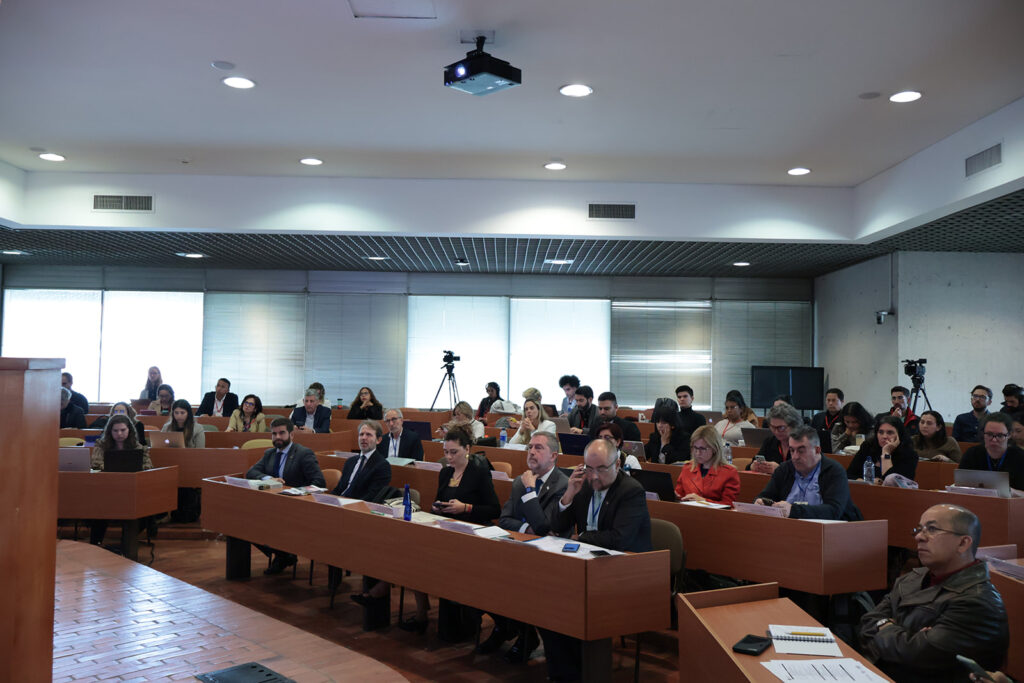
On 9 July, Jorge Tadeo Lozano University in Bogotá hosted the international seminar of the “Urban Agenda for Peace and Non-Violence” project. Organised by PHARE Territorios Globales in collaboration with APC Colombia and eLankidetza, the event brought together national and international experts to discuss and promote strategies for building safer and more peaceful cities, fostering peaceful coexistence and non-violence.

Cooperation and alliances

Solutions we offer

Networking and alliance building:

Engagement with networks, platforms, and strategic partners to advance shared agendas and strengthen territorial cooperation.

International cooperation and resources:

Identifying and managing cooperation, funding, and other support mechanisms to strengthen territorial initiatives.

Project design and implementation:

Formulation, management, and support of international projects and initiatives.

ATTRACTIVENESS AND PROJECTION

Solutions we offer

Territorial positioning:

Designing territorial positioning strategies and tools to strengthen the identity and projection of cities and regions.

Attractiveness and identity:

Building narratives, city branding, destination vision, and territorial promotion strategies.

Projecting opportunities:

Attracting investment, cooperation, tourism, culture, and talent.

Strategy and Public policies

Solutions we offer

Territorial strategy and planning:

Designing strategies and tools to strengthen territorial development and consolidate international engagement as public policy.

Public agendas and governance:

Participatory methodologies, policy labs, and collaborative processes for building public agendas.

Technical assistance:

Technical support for implementing territorial development and international engagement strategies.

KNOWLEDGE AND innovation

Solutions we offer

Knowledge and analysis:

Diagnostics, studies, applied research, and forward-looking analysis of international trends.

Training and capacity building:

Training programs, workshops, and tools to strengthen institutional and technical capacities.

Exchange and learning across territories:

Peer-to-peer learning spaces, experience-sharing, and collective knowledge building.