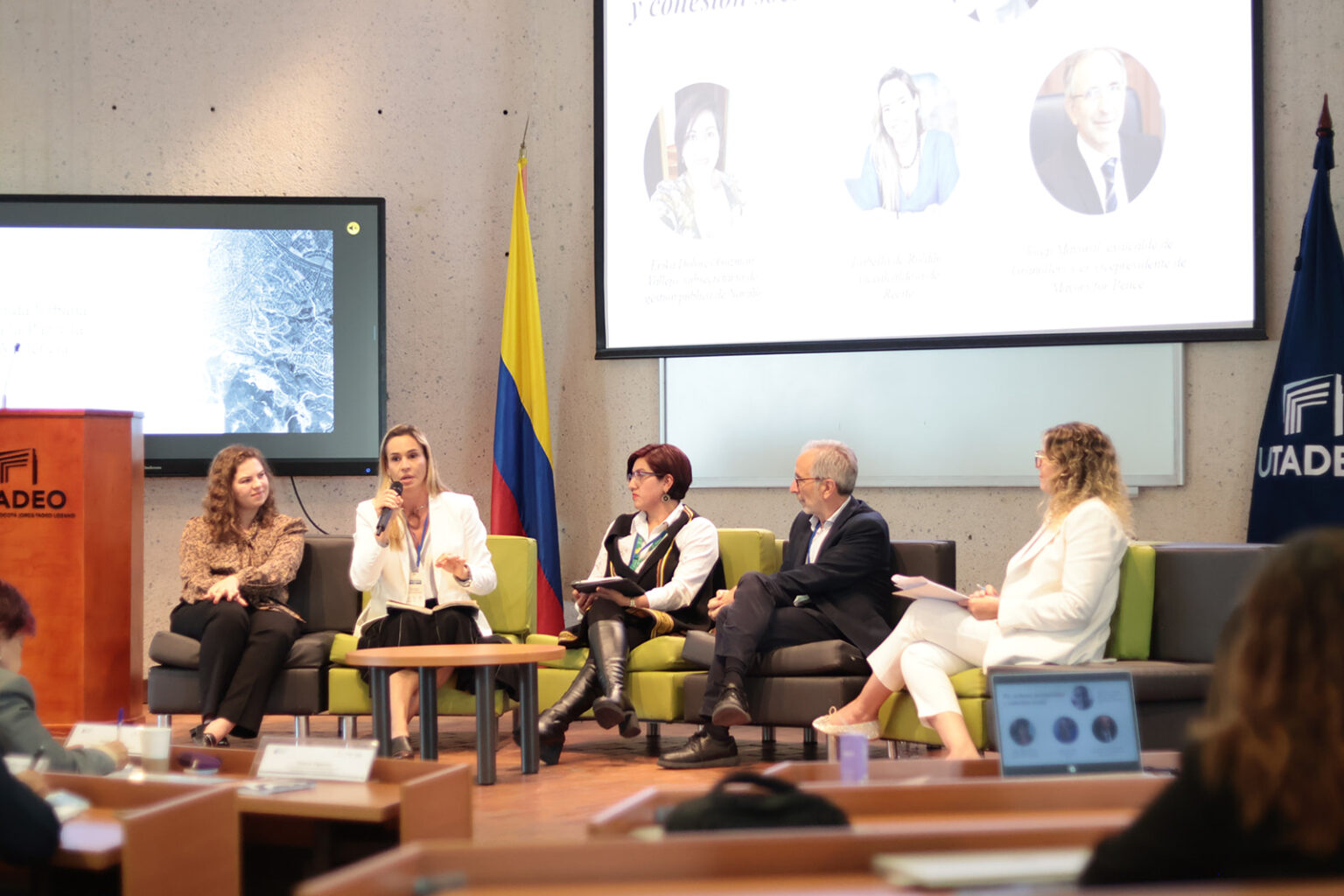
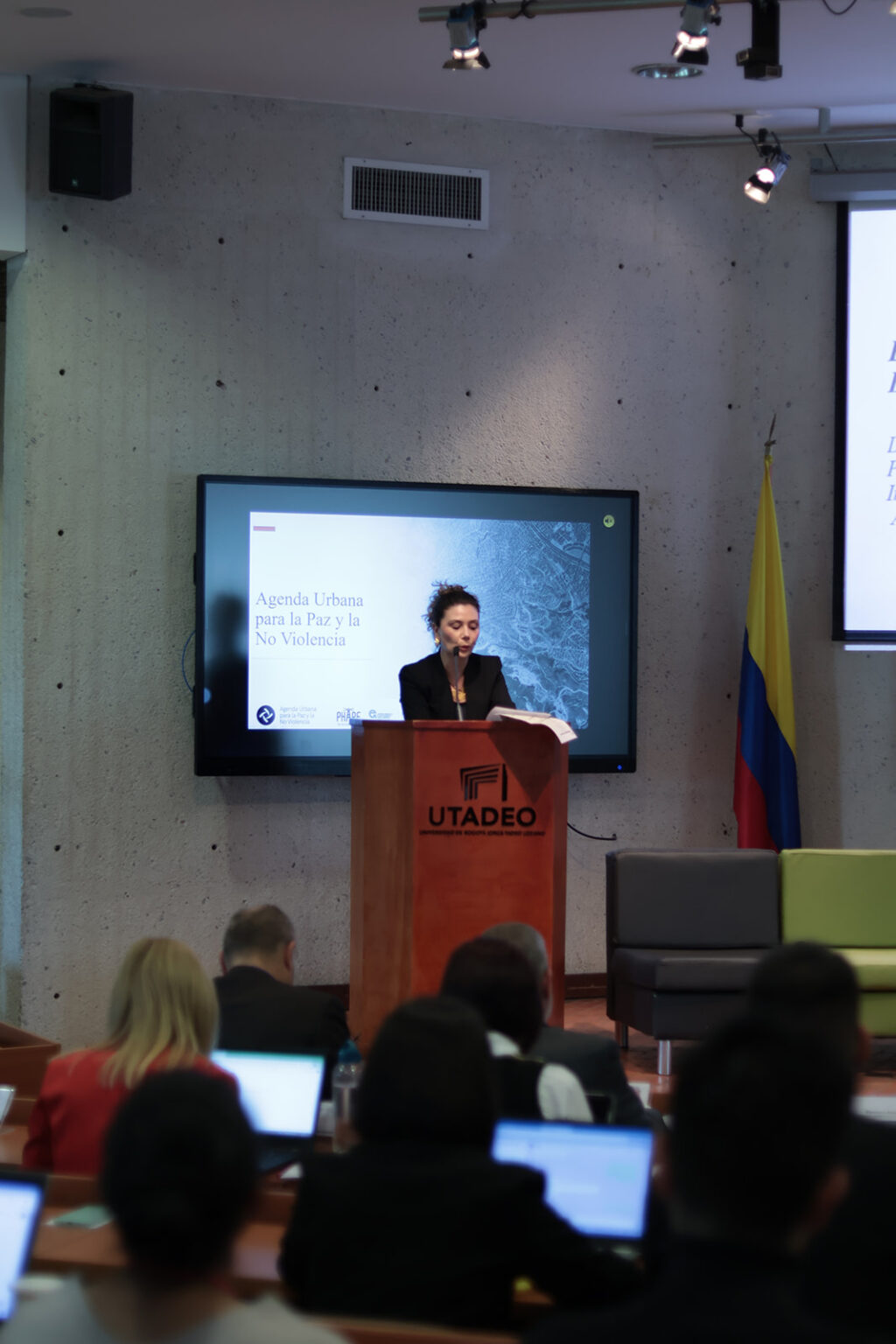
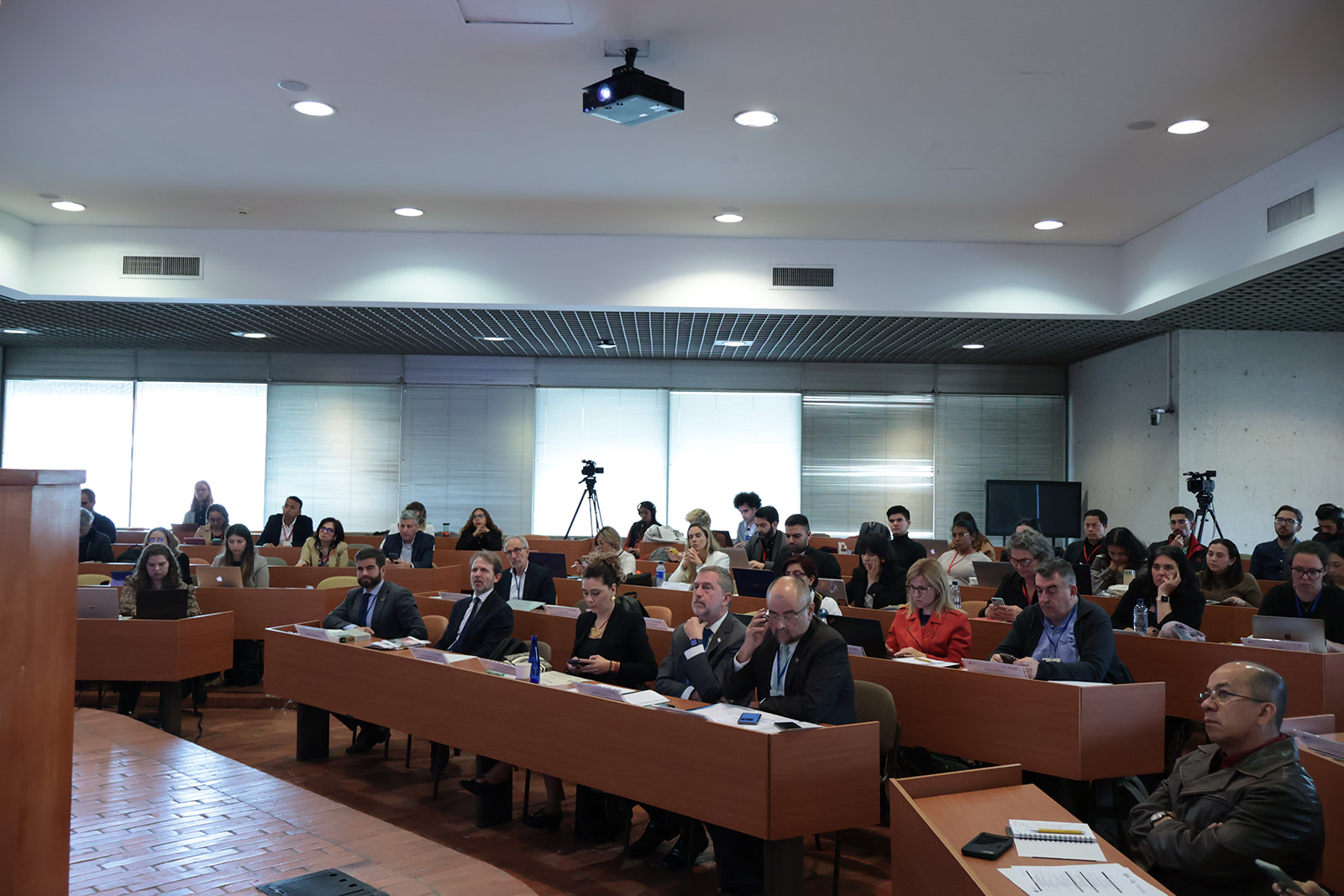
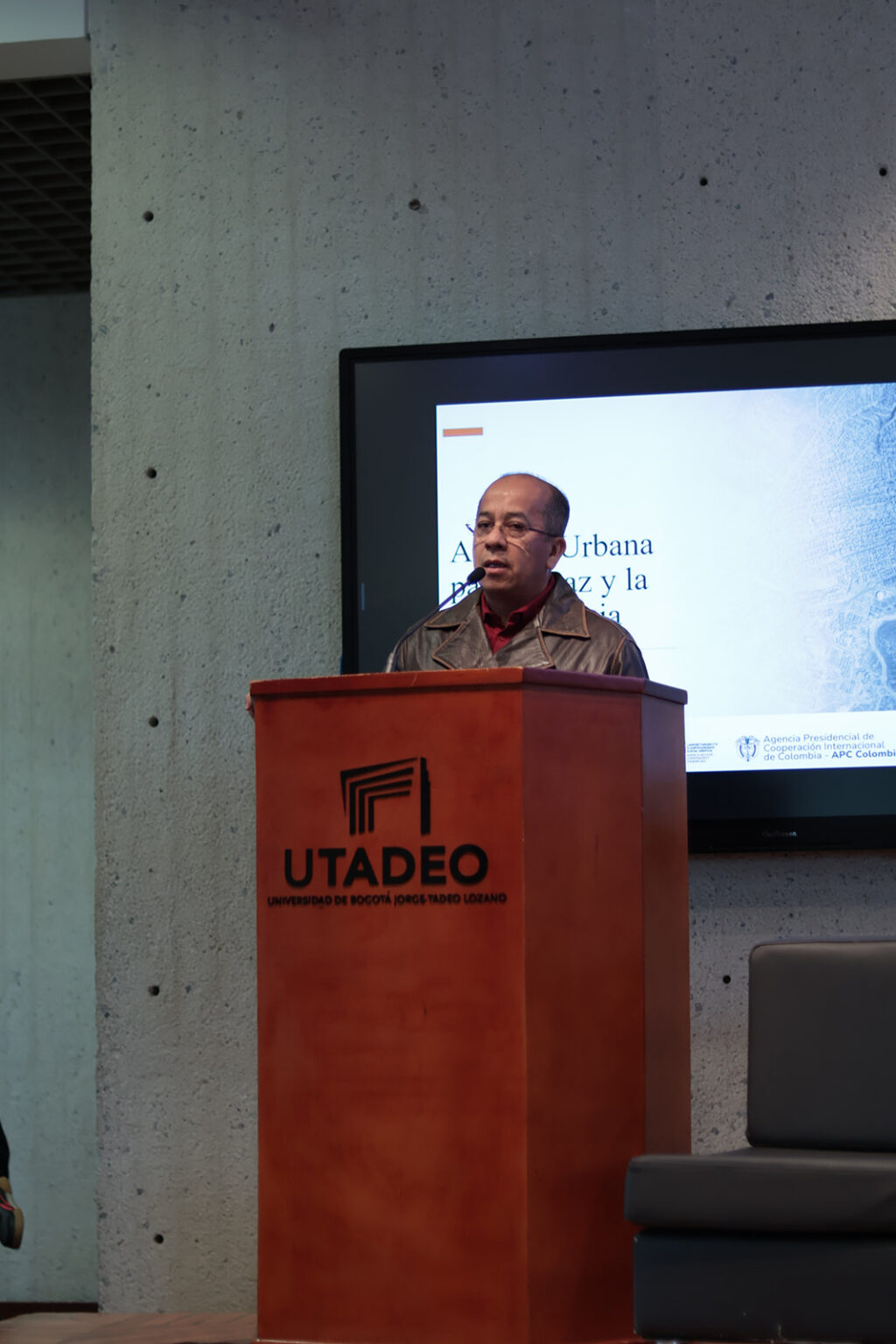
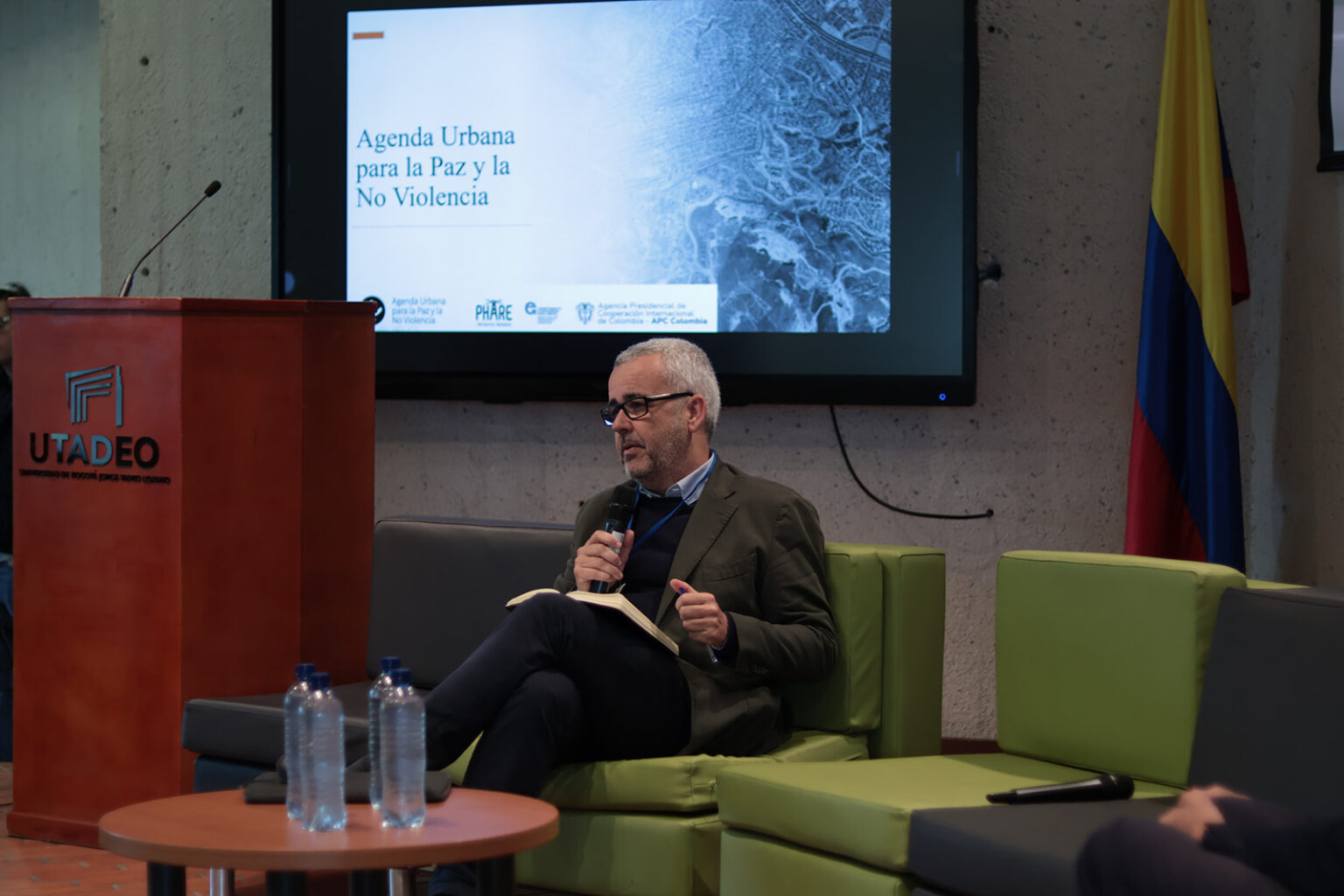
The seminar featured the participation of Eleonora Betancur González, Director of the Presidential Agency for International Cooperation of Colombia (APC Colombia). In her welcoming remarks, she highlighted the collaboration between institutions to promote peace in Colombia and reaffirmed the government’s commitment to the Total Peace policy, a comprehensive initiative aimed at transforming territories and safeguarding victims’ rights.
The event also included contributions from Paul Ortega, Director of eLankidetza; Fabio Cardozo Montealegre, Territorial Coordinator for Valle del Cauca at the Office of the High Commissioner for Peace; and Gloria Cuartas, Director of the Unit for the Implementation of the Final Peace Agreement in Colombia.
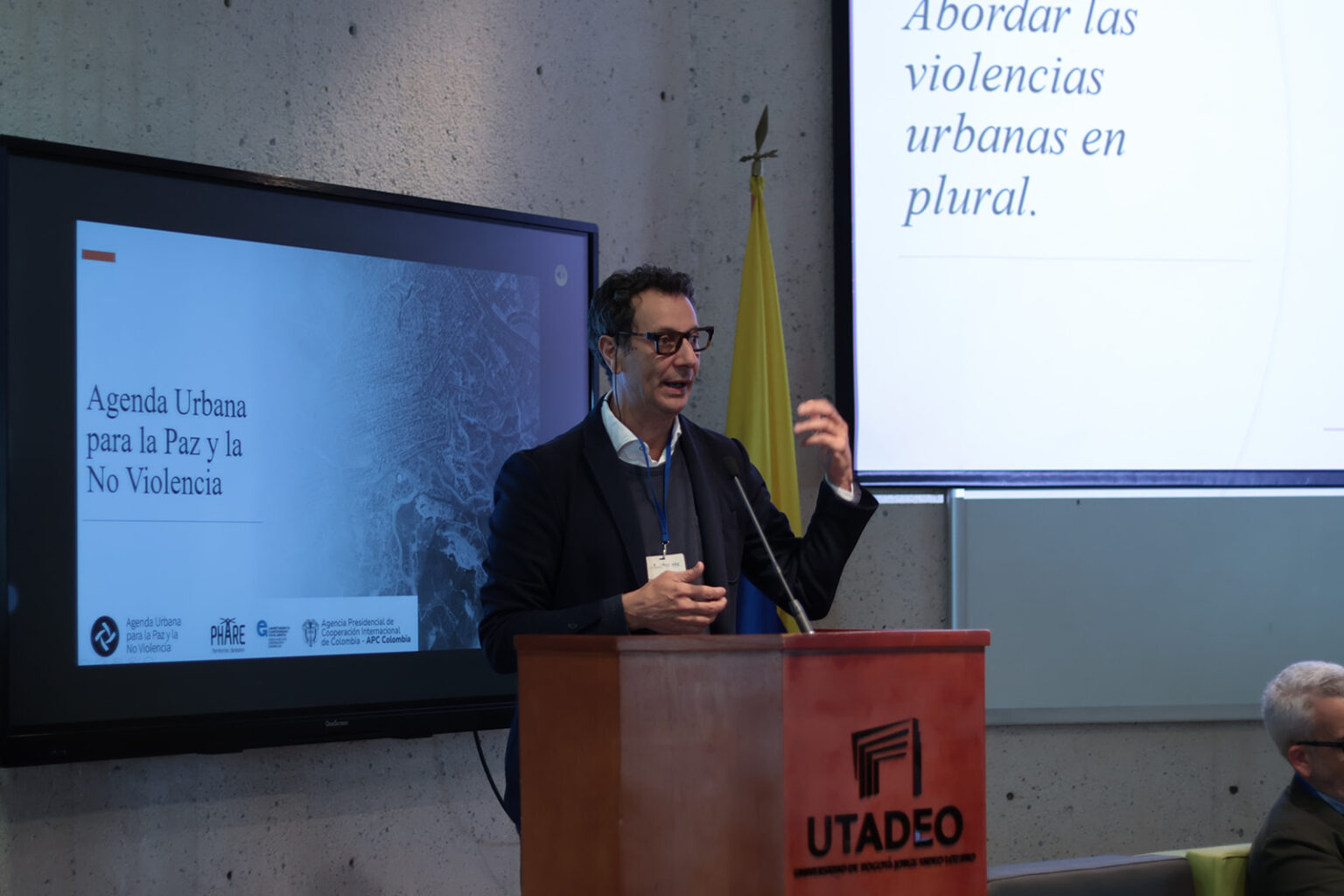
Felipe Llamas Sánchez and Agustí Fernández de Losada Passols, representing PHARE Territorios Globales, presented the “Urban Agenda for Peace and Non-Violence” project. They stressed the need for effective local public policies to address the multiple forms of urban violence, as well as the importance of involving local governments in conflict prevention and mediation and in the protection of victims. They also emphasised that these policies should be embedded in each city’s government plan, particularly in contexts such as Colombia and Latin America.
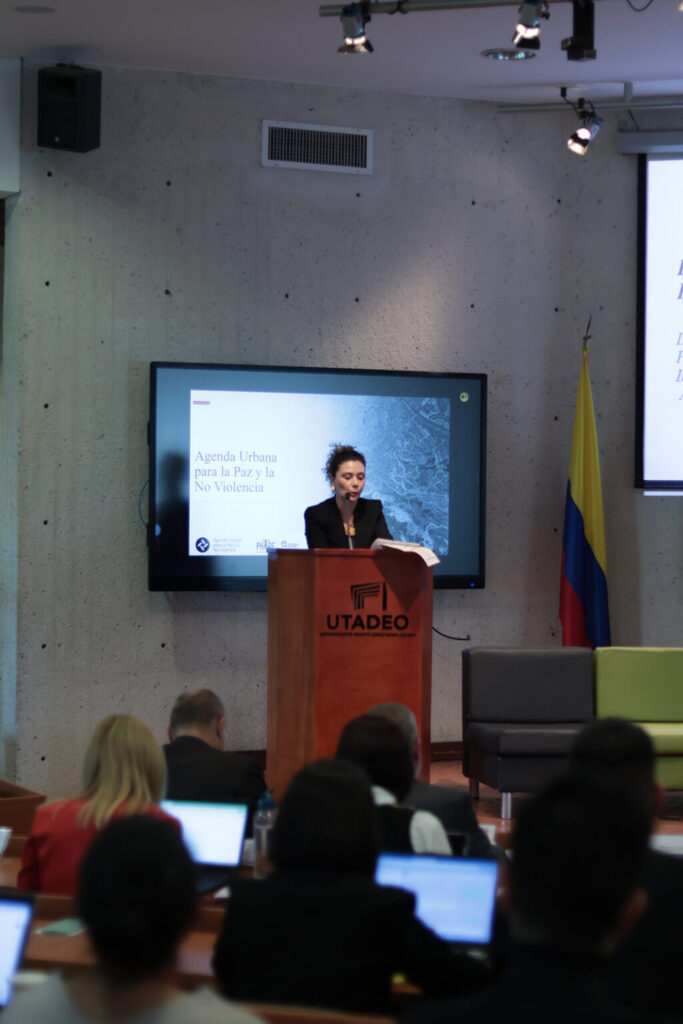
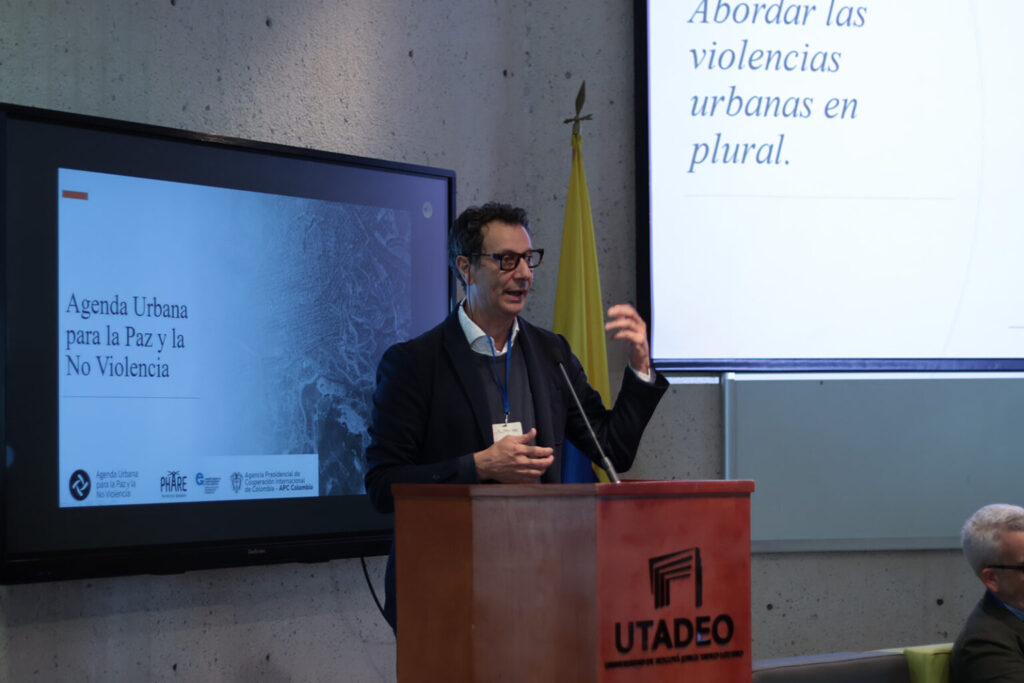
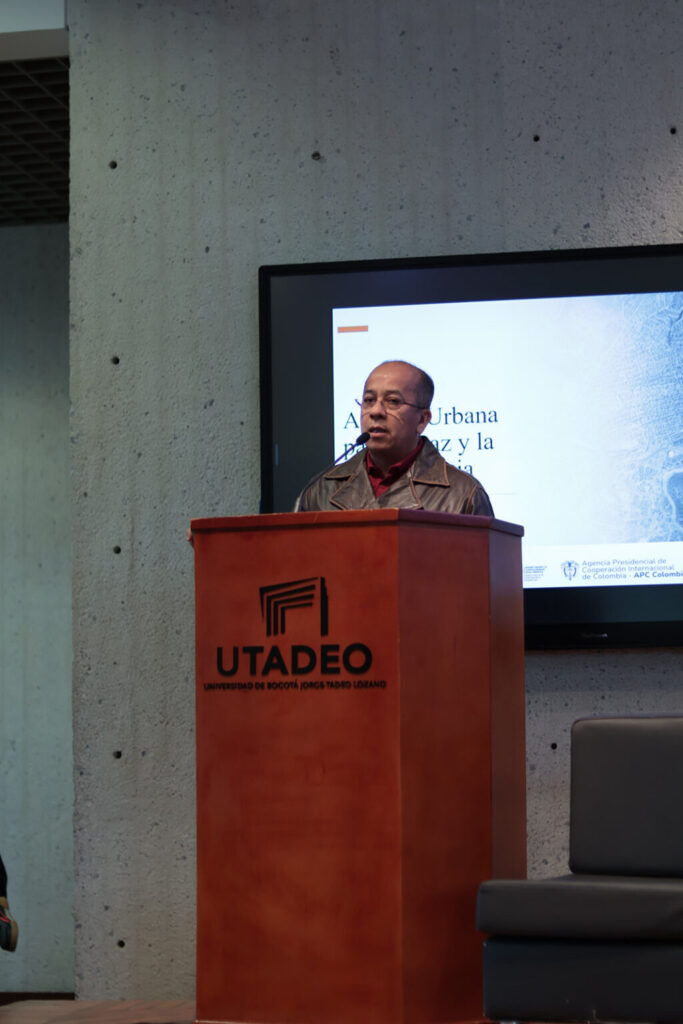
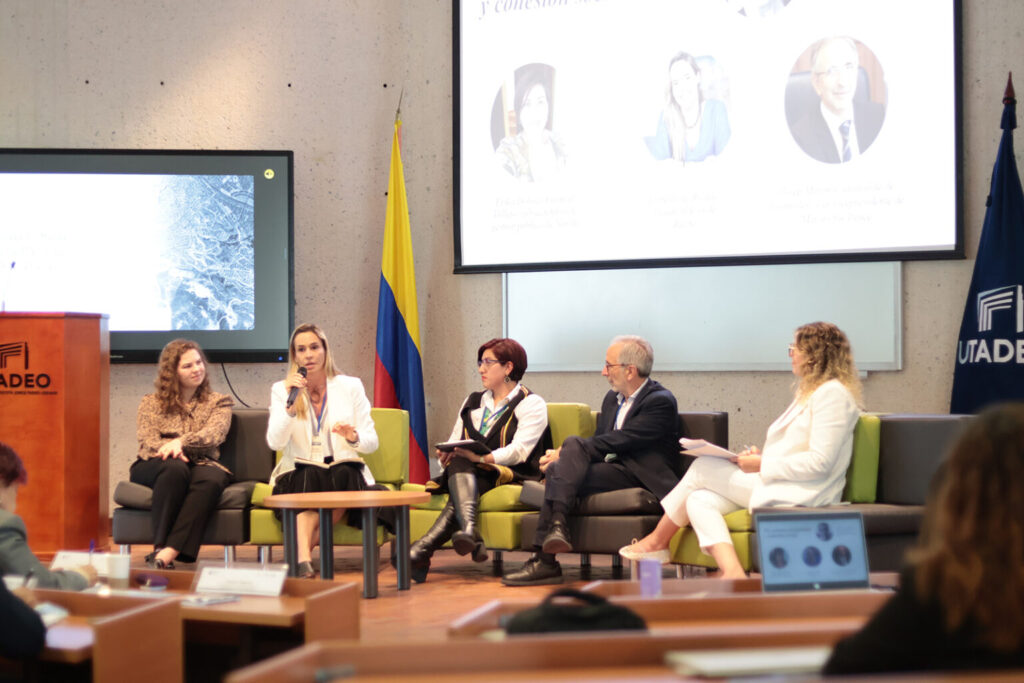
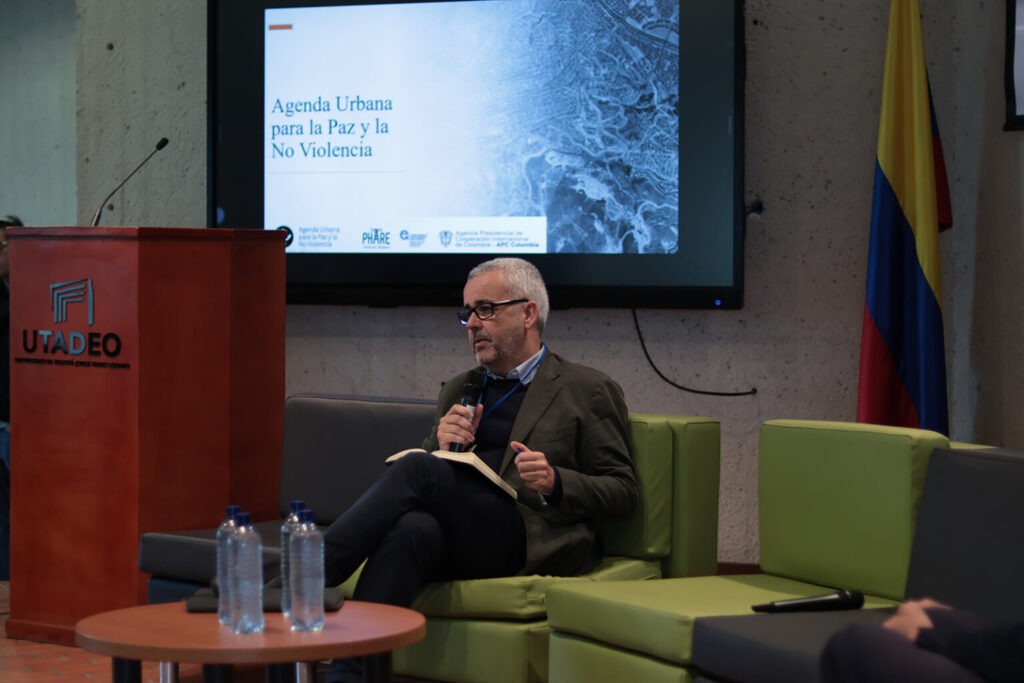
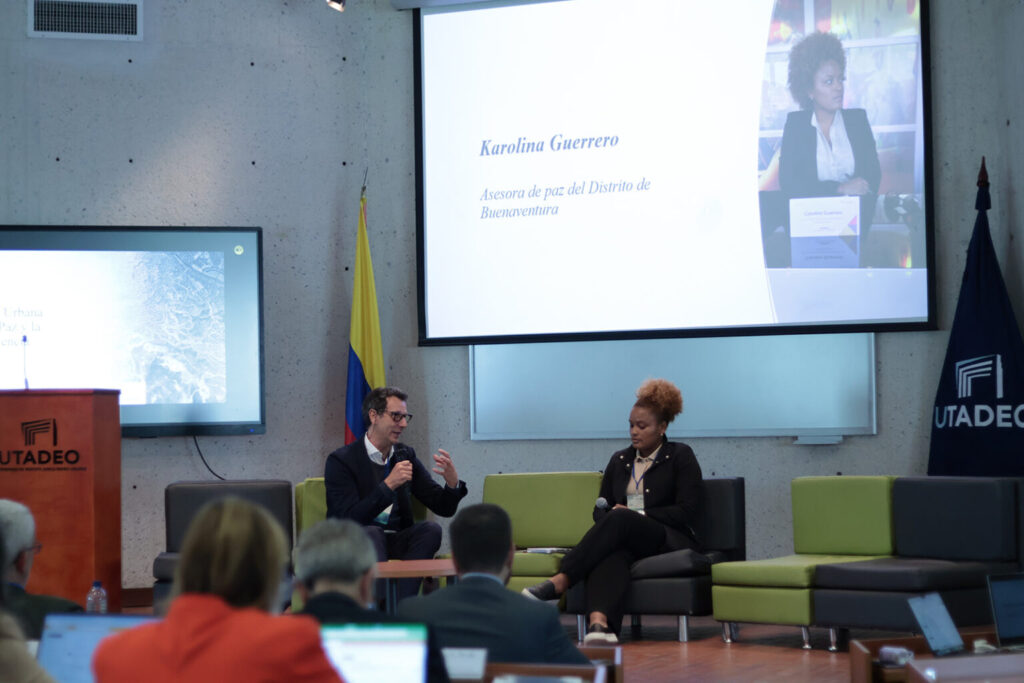
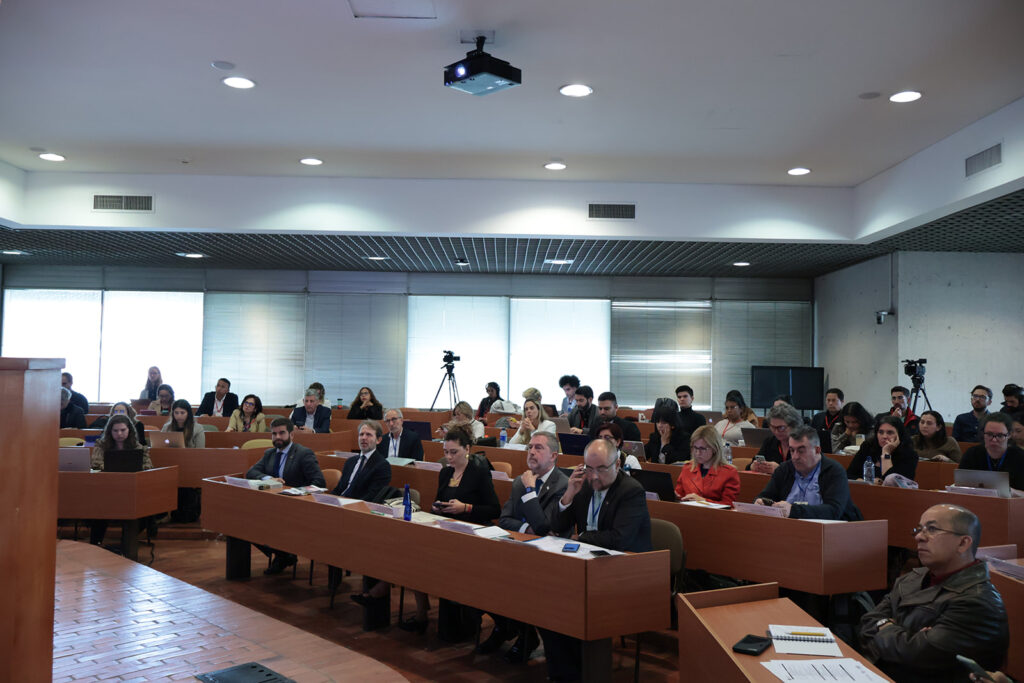
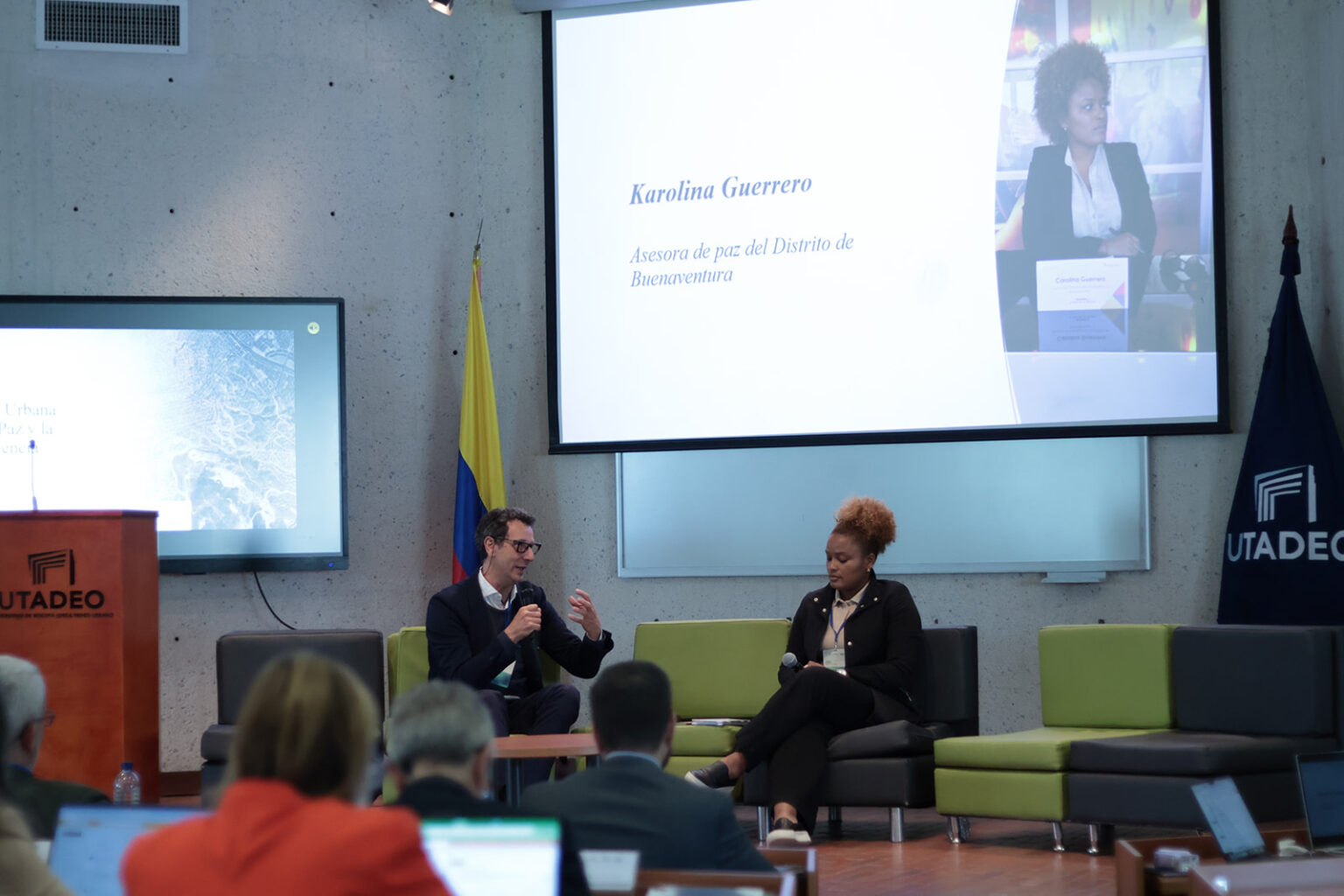
Karolina Guerrero Obregón, Peace Adviser to the District of Buenaventura, also took part in the seminar. Buenaventura will host the project’s pilot initiative, which will support the development of an urban peace policy in collaboration with a range of local stakeholders.
The District has demonstrated a strong commitment to promoting peace and peaceful coexistence. As a result of this commitment and the project’s work, the urban peace policy has been incorporated into Buenaventura’s District Development Plan.
The seminar also benefited from the valuable contributions of national and international experts, who shared their reflections, experience and good practices. They emphasised the importance of strengthening collaboration between the different stakeholders operating in cities and communities to address urban peacebuilding and peaceful coexistence in a comprehensive manner.
More specifically, Manuela Carmena shared her reflections on the importance of local governments in promoting democracy as a fundamental pillar of peace. Ana María Gálvez, Maider Maraña, Antoni Montseny and Olga Illera Correal explored the links between care policies, education for peaceful coexistence and peace in urban contexts. Erika Guzmán Vallejo, Isabella de Roldão, Josep Mayoral and Victoria Figueroa highlighted the importance of creating opportunities that leave no one behind, as well as the role of cities committed to peace. Emiro Cañizares Plata, Fabiana Goyeneche, Eva García Chueca and Lina Gast underscored the value of public space in fostering a culture of peace in cities.
The seminar also included a panel on the role of international cooperation, with the participation of Gilles Bertrand, European Union Ambassador to Colombia; José Alejandro Bayona Chaparro, representing UN-Habitat; Vicente Ortega Cámara, from AECID; and Jeremiah Carew, from USAID. The panel examined the contribution of international cooperation to promoting urban peace in Colombia and Buenaventura, providing a valuable framework of experience and knowledge.
We would like to express our sincere gratitude to the Presidential Agency for International Cooperation of Colombia (APC Colombia) and eLankidetza, the Basque Agency for Cooperation and Solidarity, for their continued support for this project. We also extend our thanks to Jorge Tadeo Lozano University and to all the speakers and participants for their valuable contributions.
The seminar’s conclusions and contributions will be incorporated into the Urban Agenda for Peace and Non-Violence model.
For further information about the project, please visit www.agendaurbanapaz.org