FEMP – Guide on International Action and Decentralized Cooperation (2024)
The project involved the preparation of a practical guide for elected representatives of local governments, designed to provide a clear and up-to-date understanding of decentralized cooperation. The guide brings together the core principles of this public policy, its main challenges, the national context, and the current regulatory framework, offering practical tools for those responsible for development cooperation at the local level. The project contributed to strengthening institutional capacities and making local governments’ international action more accessible through a practical, user-friendly approach aligned with the current challenges of decentralized cooperation.
APC Colombia & eLankidetza – Urban Agenda for Peace and Non-Violence (2023–2025)
The project supported the participatory design of an Urban Agenda for Peace and Non-Violence, aimed at connecting the territorial challenges of urban peace with international agendas, knowledge, and cooperation opportunities. Through international seminars, focus groups, and dialogue processes involving local, national, and international stakeholders, the project developed the agenda framework and supported its localization in Buenaventura through the formulation of a public policy on urban peace. The process culminated in a practical guide to facilitate the adaptation of the Agenda in other cities and territories across Colombia, Latin America, and beyond.
Government of Campeche (Mexico) – Campeche Global: Strategic Internationalization Plan (2021–2022)
Strengthen the governance of the State of Campeche’s internationalization strategy through a model that promotes multilevel and multi-stakeholder coordination. The project addresses the current operational limitations of the International Relations and Cooperation Unit, which lacks legal status, its own budget, and the authority to coordinate across government departments. The proposed model aims to provide greater institutionalization, sustainability, efficiency, and inclusiveness to the state’s international action, ensuring its continuity beyond changes in government.
ICLEI & Resilient Cities Catalyst – Cities Forward Initiative (2023–2025)
The project supported the development of local resilience action plans for eight cities across Latin America as part of the Cities Forward LATAM initiative. Led by ICLEI South America in partnership with the U.S. Department of State, Resilient Cities Catalyst, and the Institute of the Americas, the initiative aimed to strengthen local capacities to address complex urban challenges. It connected cities across the region with technical expertise, international cooperation, and strategic planning tools to foster more resilient, sustainable, and future-ready territories.
Ministry for the Ecological Transition and the Demographic Challenge (Spain) – Spain–Portugal Cross-Border Strategy (2022)
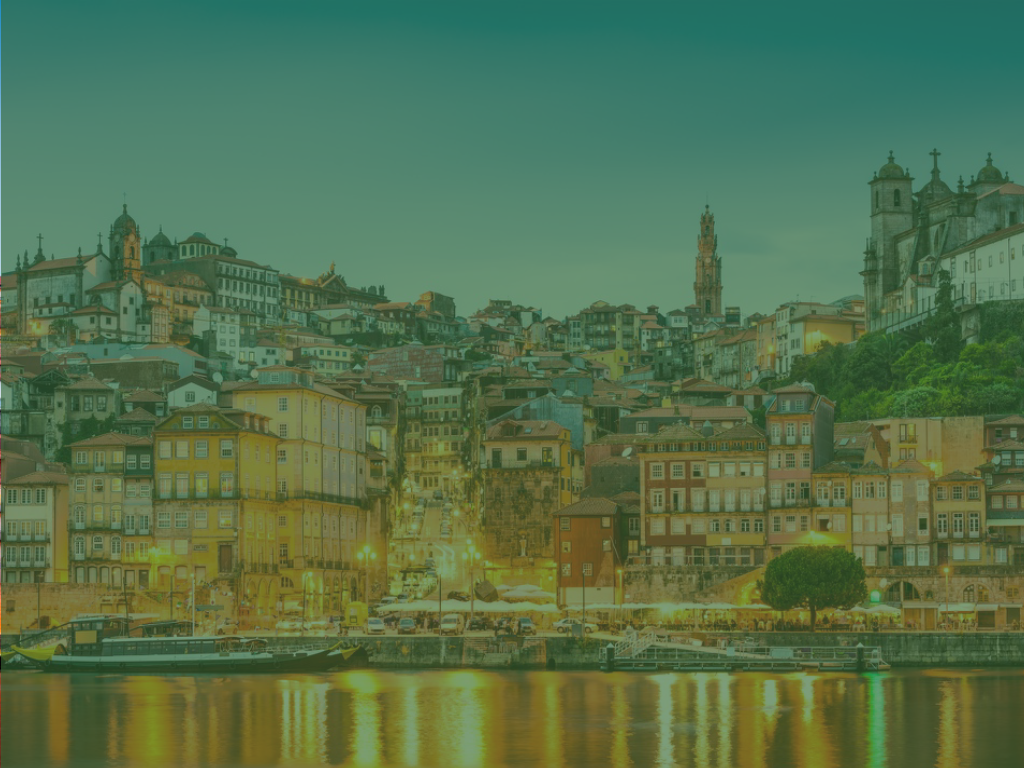
The project supported the revision of the Spain–Portugal Common Cross-Border Development Strategy, an initiative aimed at strengthening cooperation between the two countries to address shared challenges in border regions. The process covered key areas including mobility, transport, climate change, the conservation of protected natural areas, culture, local economic development, depopulation, and demographic change. Adopting a territorial perspective, the strategy helped define shared priorities and advance a cross-border cooperation agenda capable of connecting public policies, institutional capacities, and local development opportunities.
Bogotá Mayor’s Office, Bogotá Chamber of Commerce, Asocapitales & ICLEI – Participatory Governance for the Internationalization of the Bogotá Region (2021–2022)
Design and methodological support for the development of Bogotá’s Internationalization Strategy and its governance framework. The project facilitated a participatory process through the Dialogues for Internationalization methodology, bringing together public institutions, the private sector, academia, civil society organizations, opinion leaders, and other stakeholders to co-create a shared, inclusive, and sustainable vision for the city’s international engagement.